



Walk into any store today and you’ll see more than shelves and smiling staff. Behind the scenes, technology is quietly shaping every interaction. At the centre of this transformation is POS technology—the system that keeps retail running smoothly. It’s no longer just about ringing up sales; it’s about creating experiences, managing operations, and driving growth.
Retail is fast-paced. Customers expect speed, accuracy, and convenience. A robust POS system delivers all that and more. It’s the bridge between your business and your customers, turning transactions into insights and chaos into order.
Why POS Systems Matter More Than Ever
Think about the last time you shopped. Did you notice how effortless it felt? That seamless experience isn’t luck—it’s powered by a smart point of sales solution working in the background. For retailers, this means more than processing payments. It means real-time inventory updates, accurate pricing, and data that helps you make better decisions.
When your POS technology works well, everything else falls into place. Staff spend less time fixing errors and more time engaging with customers. Reports that once took hours are ready in minutes. Promotions are planned with precision, not guesswork. In short, a strong POS foundation makes your business sharper and your customers happier.
Choosing the Right POS System: What Really Matters
Here’s the truth: not all retail POS systems are created equal. The right choice depends on your goals, your size, and how you plan to grow. Picking a POS isn’t just a technical decision—it’s a strategic one. Here’s what you should look for:
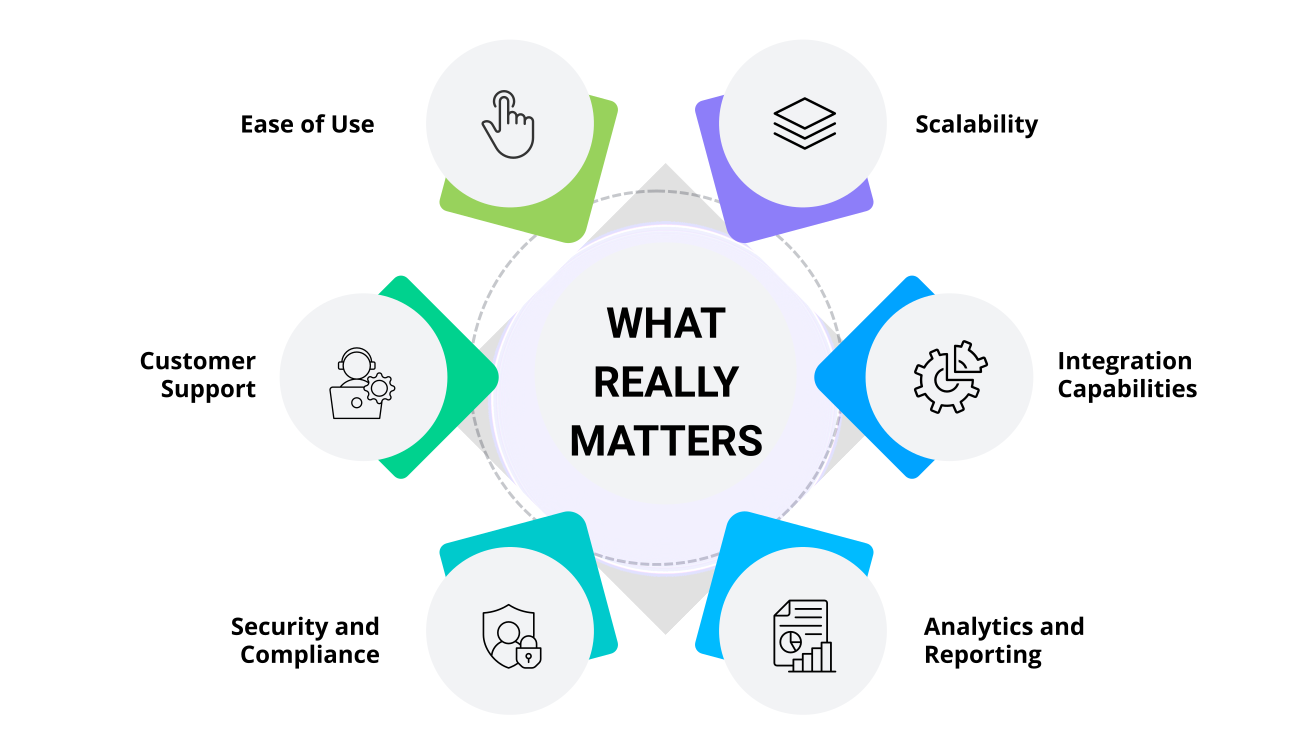
Ease of Use. Your POS should make life easier, not harder. A clean, intuitive interface means staff can learn quickly and serve customers without delays. If the system feels complicated, adoption will suffer—and so will customer experience.
Scalability. Retail doesn’t stand still. Whether you’re opening new stores or expanding online, your POS should grow with you. Cloud-based solutions often offer this flexibility, letting you manage multiple locations from one dashboard.
Integration Capabilities. A POS system doesn’t work in isolation. It should connect seamlessly with your other tools – inventory management, CRM, accounting, and e-commerce platforms. Integration eliminates data silos and gives you a complete view of your business.
Analytics and Reporting. Data drives decisions. Advanced POS software gives you real-time insights into sales trends, customer behaviour, and stock levels. These reports help you plan smarter, optimise pricing, and run promotions that actually work.
Security and Compliance. With digital payments on the rise, security is non-negotiable. Choose a POS that meets industry standards like PCI DSS and offers features such as encryption and tokenisation. Protecting customer data isn’t just good practice—it’s essential for trust.
Customer Support. Even the best technology needs backup. Reliable support ensures quick fixes and minimal downtime. Look for providers with 24/7 assistance and a reputation for responsiveness. Choosing the right POS technology isn’t about ticking boxes. It’s about finding a system that feels like a partner helping you run operations smoothly, delight customers, and grow without limits.
The Future of POS Technology
Retail is changing fast, and POS systems are evolving with it. Artificial intelligence is stepping in to personalise shopping experiences. Mobile-first solutions are making transactions faster than ever. Security is becoming smarter, protecting every payment with advanced safeguards.
Recent Posts

7 Signs Your Retail POS System Is Holding You Back
The retail environment of 2026 is no longer just about moving products; it is about orchestrating a frictionless journey where [...]

Retail POS Systems: Making Omnichannel Retail Work
Shopping has changed. People don’t just buy in-store or online anymore - they want both. A customer might browse your [...]

POS Technology: The Heartbeat of Modern Retail
Walk into any store today and you’ll see more than shelves and smiling staff. Behind the scenes, technology is quietly [...]


